
UNITED STATES AUTHOR · CATHOLIC CHURCH · TRAPPISTS
Thomas Merton
Also known as: Tomasz Merton, Thomas Merton OCSO
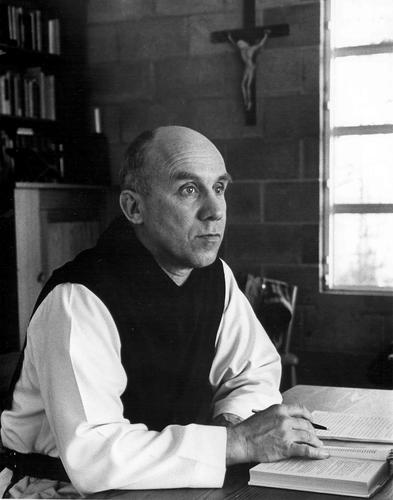
Thomas Merton (January 31, 1915 – December 10, 1968) was a 20th century American Catholic writer. A Trappist monk of the Abbey of Gethsemani, Kentucky, he was a poet, social activist and student of comparative religion. In 1949, he was ordained to the priesthood and given the name Father Louis. Merton wrote more than 70 books, mostly on spirituality, social justice and a quiet pacifism, as well as scores of essays and reviews, including his best-selling autobiography, The Seven Storey Mountain (1948), which sent scores of disillusioned World War II veterans, students, and even teen-agers flocking to monasteries across US, and was also featured in National Review's list of the 100 best non-fiction books of the century. Merton was a keen proponent of interfaith understanding. He pioneered dialogue with prominent Asian spiritual figures, including the Dalai Lama, D.T. Suzuki, the Japanese writer on the Zen tradition, and the Vietnamese monk Thich Nhat Hanh. Merton has also been the subject of several biographies.
IT IS ADVENT AGAIN.
— from Watch For The Light
Most acclaimed

The Seven Storey Mountain
1956
The Seven Storey Mountain tells of the growing restlessness of a brilliant and passionate young man, who at the age of twenty-six, takes vows in one of the most demanding Catholic orders—the Trappist monks. At the Abbey of Gethsemani, "the four walls of my new freedom," Thomas Merton struggles to withdraw from the world, but only after he has fully immersed himself in it. At the abbey, he wrote this extraordinary testament, a unique spiritual autobiography that has been recognized as one of the most influential religious works of our time. Translated into more than twenty languages, it has touched millions of lives.
Raids on the unspeakable
Brief, but challenging essays in which the author looks candidly and without illusion at the world that man has made. Though he sees dark horizons, his ultimate answer is one of Christian hope. The majority of these essays are as relevant today as when they were originally published. Perhaps a sad statement on our world, but it makes for a powerful and simultaneously companionable reading experience. [[MountainShelby's Reviews], GoodReads, Mar 09, 2017]
Praying the Psalms
1982
In this thoroughly revised edition of a classic in spirituality, Walter Brueggemann guides the reader into a thoughtful and moving encounter with the Psalms. This new edition includes a revised text, new notes, and new bibliography.The movement and meeting of God with us is indeed a speech-event in which new humanness is evoked among us. Being attentive to language means cultivating the candid imagination to bring our own experience to the Psalms and permitting it to be disciplined by the speech of the Psalms. And, conversely, it means letting the Psalms address us and having that language reshape our sensitivities and fill our minds with new pictures and images that may redirect our lives.