
BIOGRAPHY · EXHIBITIONS
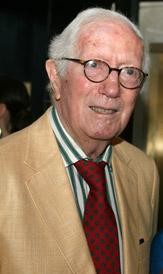
John Russell
John Russell CBE was a British American art critic. He moved to USA to work in 'New York Times' in 1974 and was the newspaper's chief art critic from 1982 to 1990. - Wikipedia
Many times since the Earth was young, the place had lain under the sea.
— from London
Most acclaimed

Matisse
1995
Matisse, Father & Son, a revealing and moving biography, is based upon exclusive access to several thousand unpublished letters in the archives of Pierre Matisse. These include more than 800 letters, many of them twelve or thirteen pages long, between Pierre Matisse and his father. They also include a vast correspondence with the European artists whom Pierre Matisse represented during his sixty years as an art dealer in New York. But this is more than a book of letters, John Russell, former chief art critic for The New York Times, has produced a seamless narrative that moves easily back and forth between private life and professional life. The heart of this absorbing biography is the near daily correspondence between father and son over three decades. Mining thousands of letters in which nothing is held back - and including photos of family and friends, as well as significant works handled by Pierre Matisse - John Russell offers us an insider's view into the lives and creative efforts of some of the century's most important artists.
London
This dazzling and yet intimate book is the first modern one-volume history of London from Roman times to the present. An extraordinary city, London grew from a backwater in the Classical age into an important medieval city, a significant Renaissance urban center, and a modern collossus. Roy Porter writes a whole life of this world-renowned place - from the grid streets and fortresses of Julius Caesar and William the Conqueror to the medieval, walled "most noble city" of churches, friars, and crown and town relationships. Within the crenellated battlements, manufactures and markets developed and street-life buzzed, enlivened with the cries of hawkers and peddlers. People worked, talked, haggled, and relaxed in London's medieval streets, while craftsmen lived where they worked, nestled trade-by-trade in neighborhoods. London's profile in 1500 was much as it was at the peak of Roman power. The city owed its courtly splendor and national pride of the Tudor Age to the phenomenal expansion of its capital. It was the envy of foreigners, the spur of civic patriotism, and a hub of culture, architecture, and great literature and new religion. Tudor Londoners had an insatiable appetite for new workshops, yards and stores, and comfortable homes; and makeshift quarters for laborers from rural areas began to dot the rising city.