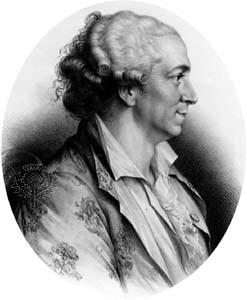
Pierre Augustin Caron de Beaumarchais
Personal Information
Description
Écrivain, musicien, politicien et révolutionnaire (pour la France et pour les États-Unis) français.
Books
Œuvres
The Figaro trilogy
Who was Figaro? Not the impertinent valet of the operas of Mozart or Rossini, but both the spirit of resistance to oppression and a bourgeois individualist like his creator. The three plays in which he plots and schemes chronicle the slide of the ancien régime into revolution, but also chart the growth of Beaumarchais' humanitarianism. They are also exuberant theatrical entertainment, masterpieces of skill, invention and social satire which helped shape the direction of the French theatre for a hundred years. This lively new translation captures all the zest and energy of the most famous valet in French literature.--From publisher description.
Le tartare à la légion
July 19, 1778, Beaumarchais publishes in Aix-en-Provence Tartarus at the Legion, the memory response to the one that his opponent, the Comte de La Blache, just offered four days earlier the public's curiosity. Since 1770, the two men confront each other in court about a "portioncule" from the legacy of the famous financier Joseph Paris-Duverney, who died in 1770. Salons of Paris to those of Versailles, we tell the tastiest episodes of the case that brought fame to Beaumarchais even before his success as a playwright. Tartarus is not only the virulent advocacy of a man who was sworn to destroy. It is also a masterpiece of mind which, in many places, reminiscent of the Barber of Seville and The Marriage of Figaro. It abounds in allusions to the trial wich poisoned the life of Beaumarchais during eight years. Last two centuries, this reissue of Tartarus is the first to restore its full text. It corrects further approximations that usually surround the historical records of the case. It proves that the Tartarus did not deserve to be often removed from the complete works of its great author. Beaumarchais, without the Tartarus, had he survived Beaumarchais ?
Théâtre complet
Observations sur le mémoire justificatif de la cour de Londres
Le vœu de toutes les nations, et l'intérêt de toutes les puissances dans l'abaissement et l'humiliation de la Grande-Bretagne
Pétition de Pierre-Augustin Caron Beaumarchais à la Convention nationale
Response to the accusations of Lecointre against Beaumarchais.