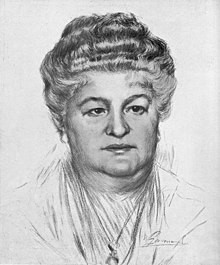
Emilia Pardo Bazán
Personal Information
Description
Emilia Pardo-Bazán y de la Rúa-Figueroa (La Coruña, España, 16 de septiembre de 1851-Madrid, España, 12 de mayo de 1921), condesa de Pardo Bazán, fue una novelista, periodista, ensayista, crítica literaria, poetisa, dramaturga, traductora, editora, catedrática, aristócrata y conferenciante española introductora del naturalismo en España. Fue una precursora en sus ideas acerca de los derechos de las mujeres y el feminismo. Source: [Emilia Pardo Bazán]( on Wikipedia.
Books
Los pazos de Ulloa. Nota preliminar de F. S. R
Novel of Doña Emilia Pardo Bazán, it was classified as mayor naturalism Spanish work. It is a description about old life in Galizia, born region of Doña Emilia.
Los Pazos de Ulloa
The House of Ulloa is Emilia Pardo Bazan's masterpiece and the work that most accurately expresses the ideals of French Naturalism. The story is that of a rural aristocratic Galician family and its decline, a habitual scene in the historical context of the author.
The tribune of the people
Set against the background of civil unrest in the late 1860s after the overthrow of the monarchy - a period of turmoil, brief restoration, and the eventual triumph of the republicans in 1873 - the novel portrays the life of a young girl, Amparo, growing up in the streets of La Corufia, the city Dona Emilia knew so well from her own wanderings there some years earlier. Amparo's development from a disheveled street urchin into a lovely young woman, a leader among the women in the factory, and an inspired orator at a time of national conflict and decision, reflects the author's growing interest in the rights of women in Spanish society. Pardo Bazan offers the reader realistic depictions of the lives of proletarian and bourgeois inhabitants of a provincial capital. Dona Emilia feels obliged to caution any aspiring girl of the working class to tread with great caution near the many boundaries of class separation and she concludes her novel with a mixture of despair along with hope for a world that is still unlikely given the conditions of her time.
El encaje roto y otros cuentos
Although written a century ago, the sixteen stories by Emilia Pardo Bazan collected in this volume are strikingly relevant to contemporary concerns. Noted for narrative complexity, stylistic variety, and feminist themes, Pardo Bazan's stories explore many aspects of the relationships between men and women. Both outspoken and witty, melancholy and humorous, these stories will interest general readers as well as students and scholars of Spanish literature.
Verdad
Book digitized by Google from the library of Harvard University and uploaded to the Internet Archive by user tpb.