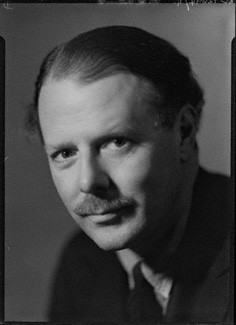
Harold Nicolson
Personal Information
Description
British diplomat, author, diarist and politician
Books
Paul Verlaine
“A brilliant biography and an impartial estimate of a much discussed French poet who illustrates vividly the currents and cross-currents which swayed French poetry between the sixties and the nineties. Verlaine reflected and inspired the impulses of the Symbolists and the Decadents.” — A.L.A. Catalog 1926 “The author‘s apology for writing still another life of Verlaine is that Verlaine, during his lifetime, stood in a unique relation to the movements of French literature. Born during the romantic period, his first writings were composed under the aegis of the Parnassians, and his later years reflected and inspired the impulses of the symbolists and the decadents. No one illustrates more vividly the currents and cross-currents which swayed French poetry between the ‘sixties and the ’nineties. No biography can equal his as an introduction to the French literature of to-day. The poet is depicted as a mild and docile creature while not under the brutalizing influence of drink, and amenable to every form of discipline except self-discipline. One chapter is devoted to Arthur Rimbaud, the evil genius of Verlaine’s life.” – The Book Review Digest
The war years, 1939-1945
"To lose his Government post after a scant year and spend the rest of the rest of the war as a backbencher was a grievous trial for Harold Nicolson. Yet it is precisely this middle-distance view that made him a superb recorder of those tumultuous times from 1939 to 1945. In Parliament he had a window on history-in-the-making; elsewhere he found the needed leisure and detachment to collate his thoughts, consider the deeper aspects of what he observed, and predict the future. Ever since 1930, Nicolson had consigned to his journals the rich overflow of a capacious mind, sharply honed by the disciplines of scholar, diplomat and writer. Now, within the context of total war, these diaries became a precious storehouse for heightened emotions and sudden insights, for touching vignettes of Britain under fire and daily barometric readings of hope or despair. Through their pages runs a warm, witty mosaic of casual talk, reflecting his wide interests and immense talent for friendship. Whether chatting with the King and Queen of England, Anthony Eden, Charles de Gaulle, Wendell Willkie, André Maurois, Edouard Benes, Harold Macmillan, Dylan Thomas, Edward R. Murrow, Nancy Astor, Arthur Koestler, or Eve Curie, he always has something of substance to impart, something to crystallize the moment. Even the towering Churchill gains a fresh, human profile made up of many informal meetings. Scattered among the entries is a remarkable series of letters, mostly between Nicolson and his wife Vita, known to many readers as V. Sackville-West. A strong bond had been forged long ago by the dissimilar pair--he convivial, outgoing; she reserved, essentially private--but their strength of affection under pressure is moving indeed. Frequently parted by his busy life in London, each recalls the lethal pill to be used if invasion occurs; each shares anxious moments for two sons in service. Apart from their historic value and elegance of style, these pages portray a British gentlemen who looks for quality in all things and finds his greatest courage when affairs are going badly. Though he is often critical of his peers, no judgment is more searching than that imposed upon himself."--Goodreads.com.
