
DRAMA · IRISH DRAMA
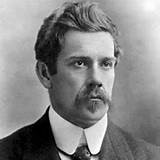
J. M. Synge
Also known as: John Millington Synge, John M. Synge
Edmund John Millington Synge was an Irish playwright, poet, writer, collector of folklore, and a key figure in the Irish Literary Revival. His best known play The Playboy of the Western World was poorly received, due to its bleak ending, depiction of Irish peasants, and idealisation of parricide, leading to hostile audience reactions and riots in Dublin during its opening run at the Abbey Theatre, which he had co-founded with W. B. Yeats and Lady Gregory. His other major works include In the Shadow of the Glen (1903), Riders to the Sea (1904), The Well of the Saints (1905), and The Tinker's Wedding (1909). Although he came from a wealthy Anglo-Irish background, his writings mainly concern working-class Catholics in rural Ireland, and with what he saw as the essential paganism of their world view. Owing to his ill health, Synge was schooled at home. His early interest was in music, leading to a scholarship and degree at Trinity College Dublin, and he went to Germany in 1893 to study music. He abandoned this career path in 1894 with a move to Paris where he took up poetry and literary criticism and met Yeats, and then returned to Ireland. Synge suffered from Hodgkin's disease. He died aged 37 from Hodgkin's-related cancer, while writing what became Deirdre of the Sorrows, considered by some as his masterpiece, though unfinished during his lifetime. Although he left relatively few works, they are widely regarded as of high cultural significance. Source: [Wikipedia](
The geography of the Aran Islands is very simple, yet it may need a word to itself.
— from The Aran Islands, 1906
Most acclaimed

The Aran Islands
1906
"In the late 1890s, John M. Synge, in his middle twenties and unsure of his vocations made his way to Paris intending to study French literature and become a literary critic. There he met William Butler Yeats. The eminent poet advised Synge to drop his involvements with fin de siecle French authors, return to Ireland, and describe a society with which he had some natural connection. Yeats recommended that Synge visit the Aran Islands, primitive and absolutely authentic places about which little had yet been written."--BOOK JACKET. "Synge first traveled to the Aran Islands in 1898. His six-week trip proved to be a wonderfully fruitful and decisive experience. He then went back for part of each summer until 1902. The book that he wrote - and that he called his "first serious piece of work" - was published in 1907. What he learned from his visits to the Aran Islands led directly to the great plays for which he is chiefly remembered."--BOOK JACKET.
Collected works
Take a quick look at a comprehensive classics bookshelf, or perhaps a definitive video and DVD collection, and chances are you'll find at least one of Jane Austen's works. Austen's novels are prized not only for their light irony, humour, and depiction of contemporary English country life, but also for their underlying serious qualities. Highly readable, full of dry wit and sage advice, Austen makes for a delightful change of pace from today's usual modern fare. This ebook gives you all six of her novels as well as bonus material in the form of several minor works. Sense and sensibility -- Pride and prejudice -- Mansfield Park -- Emma -- Northanger Abbey -- Persuasion -- Love and friendships -- An unfinished novel in letters -- The history of England -- A collection of letters -- Scraps -- The first act of a comedy -- A letter from a young lady -- A tour through Wales -- A tale.