
FICTION · GENERAL
Joy Williams
Also known as: جوی ویلیامز (نویسنده آمریکایی), ウイリアムズ, ジョイ
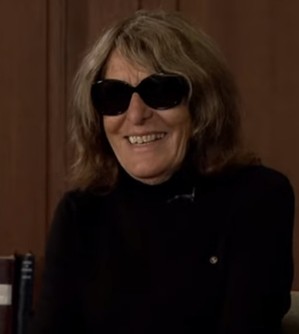
Joy Williams (born February 11, 1944) is an American novelist, short-story writer, and essayist. Her notable works of fiction include State of Grace, The Changeling, and Harrow. Williams has received a Guggenheim Fellowship for Creative Arts, a Rea Award for the Short Story, a Kirkus Award for Fiction, and a Library of Congress Prize for American Fiction. -Wikipedia
I DON'T WANT to talk about me, of course, but it seems as though far too much attention has been lavished on you lately-that your greed and vanities and quest for self-fulfillment have been catered to far too much.
— from Ill Nature
Most acclaimed

Florida
In her vigorous and moving new book, Lauren Groff brings her electric storytelling and intelligence to a world in which storms, snakes, and sinkholes lurk at the edges of everyday life, but the greater threats and mysteries are of a human, emotional, and psychological nature. Among those navigating it all are a resourceful pair of abandoned sisters; a lonely boy, grown up; a restless, childless couple; a searching, homeless woman; and an unforgettable, recurring character – a steely and conflicted wife and mother. The stories in this collection span characters, towns, decades, even centuries, but Florida—its landscape, climate, history, and state of mind—becomes its gravitational center: an energy, a mood, as much as a place of residence. Groff transports the reader, then jolts us alert with a crackle of wit, a wave of sadness, a flash of cruelty, as she writes about loneliness, rage, family, and the passage of time. With shocking accuracy and effect, she pinpoints the moments and decisions and connections behind human pleasure and pain, hope and despair, love and fury—the moments that make us alive. Startling, precise, and affecting, Florida is a magnificent achievement. Winner of the Story Prize. Finalist for the National Book Award, Kirkus Prize, and Southern Book Prize. Stories from this collection previously appeared in Best American Short Stories 2014, 2016, and 2017, the 100 Years of the Best American Short Stories, PEN/ O. Henry Prize Stories 2012, The New Yorker, Tin House, Subtropics, American Short Fiction, Esquire, and in Granta’s 2017 Best of Young American Novelists issue. Named one of the best books of 2018 by over two dozen publications. Published in thirteen foreign markets.
The changeling
1978
"The wildly imaginative story of one man's thrilling odyssey through an enchanted world to find his wife, who has disappeared after having seemingly committed an unforgivable act of violence, from the award-winning author of The Devil in Silver and Big Machine"-- "Apollo Kagwa has had strange dreams that have haunted him since childhood. An antiquarian book dealer with a business called Improbabilia, he is just beginning to settle into his new life as a committed and involved father, unlike his own father who abandoned him, when his wife Emma begins acting strange. Disconnected and uninterested in their new baby boy, Emma at first seems to be exhibiting all the signs of post-partum depression, but it quickly becomes clear that her troubles go far beyond that. Before Apollo can do anything to help, Emma commits a horrific act--beyond any parent's comprehension--and vanishes, seemingly into thin air. Thus begins Apollo's odyssey through a world he only thought he understood to find a wife and child who are nothing like he'd imagined. His quest begins when he meets a mysterious stranger who claims to have information about Emma's whereabouts. Apollo then begins a journey that takes him to a forgotten island in the East River of New York City, a graveyard full of secrets, a forest in Queens where immigrant legends still live, and finally back to a place he thought he had lost forever. This dizzying tale is ultimately a story about family and the unfathomable secrets of the people we love"--