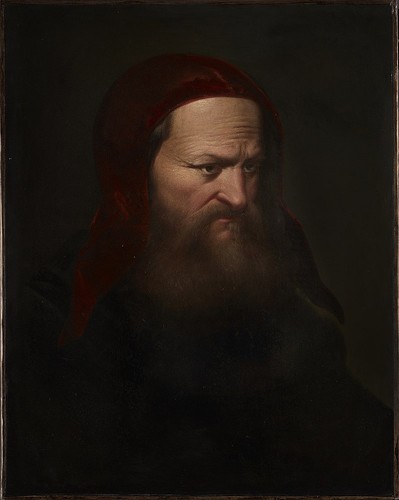
The autobiography of Benvenuto Cellini
Cellini’s autobiography is a story of genius, rivalry, and reckless ambition: the tale of a man who battled rejection, conflict, and inner demons, and still found the courage to create.
Modern English Translation: adapted for today’s readers
Rich Visuals: Over 50 Renaissance artworks and images
Easy to Read: 450 pages of lucid, fast-flowing storytelling
Theme: Entertaining, insightful, and inspiring
Added Value: Footnotes, foreword, afterword, and commentary
Optimised Formatting: 11-point font for enhanced readability
Benvenuto Cellini was an artist who inspired Salvador Dali, Alexandre Dumas, Mark Twain, Ian Fleming, Agatha Christie, and many more. Rolex has even launched a Cellini series.
This edition is a modern English translation based on the 1887 version by John Addington Symonds. The language has been carefully updated by Jash Ashar to make Cellini’s vivid life and storytelling more accessible to contemporary readers, while preserving the spirit, tone, and drama of the original. Archaic expressions have been simplified. Old English–style sentences have been revised into clear, modern phrasing, and relevant context and visuals have been thoughtfully included without compromising the integrity of Cellini’s voice. This version opens the doors of Renaissance Florence to modern readers, bringing history, art, and personality alive once again.Cellini’s autobiography, the only one by a Renaissance artist, goes far beyond a tale of artistic brilliance. It’s the wild, relentless journey of a man who refused to be ordinary.
His story begins with passion, curiosity, and a hunger to create. He started by crafting modest ornaments and rose to forge timeless masterpieces that would awe popes, kings, and connoisseurs across nations. He was driven by sheer talent, unbreakable will, and fearless ambition. To this day, millions visit his works in the Loggia dei Lanzi in Florence and The Louvre in Paris. But what unfolds is not a quiet arc of artistic growth. It is a life soaked in ego, defiance, obsession, politics, madness, imprisonment, and even a daring escape.
Cellini wanted to learn, to leave his mark, and to outdo even his idols. His life became his greatest creation: bigger, louder, and as dramatic as a grand painting or novel. This isn’t a relic of the past; it’s a tale of creation and destruction, genius and madness, a life lived at full volume that still echoes five centuries later.
Benvenuto Cellini’s life is a grand Renaissance opera: part confession, part chaos, and wholly committed to ego’s great gamble—immortality.
Whether you're drawn to stories of personal struggle, creative ambition, or the emotional toll of chasing greatness, this book offers a rare and lasting experience. It captures the mindset of a genius who faced rejection, rivalry, and imprisonment, yet still created masterpieces that define Renaissance art. Set against the backdrop of Italian history and the rise of the Medici, Cellini’s life feels strikingly modern. It is an inspiring story of resilience and reinvention, offering motivation for anyone navigating self-doubt, office politics, competition, or the desire to leave a legacy. His journey is a powerful reflection on ego, identity, and the cost of becoming extraordinary.