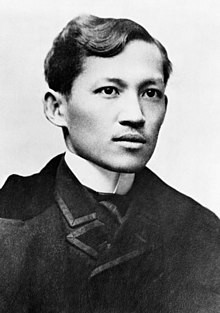
José Rizal
Description
José Protasio Rizal-Mercado y Alonso-Realonda, más conocido como José Rizal (Calambá, 19 de junio de 1861 - Manila, 30 de diciembre de 1896), fue un médico (se hizo oftalmólogo en Madrid), escritor, pintor, lingüista y político filipino. Es considerado el héroe nacional de Filipinas y fue fundador en 1892 de la Liga Filipina. Source: [José Rizal]( on Wikipedia.
Books
El filibusterismo
José Rizal was one of the leading champions of Filipino nationalism and independence. His masterpiece, Noli Me Tangere, is widely considered to be the foundational novel of the Philippines. In this riveting continuation, which picks up the story thirteen years later, Rizal departs from the Noli's themes of innocent love and martyrdom to present a gripping tale of obsession and revenge. Clearly demonstrating Rizal's growth as a writer, and influenced by his exposure to international events, El Filibusterismo is a thrilling and suspenseful account of Filipino resistance to colonial rule that still resonates today. --Publisher's description.
Noli Me Tangere
The book revolves on the struggles of young Crisostomo Ibarra: how he humbly fights for his childhood sweetheart Maria Clara, for himself and for his fellowmen against the Spanish priest Padre Damaso and the Spanish Government who were then conquerors of San Diego, his native hometown. Coming home to San Diego from Spain to mourn for his father's death, he learned how his father, a rich illustrado, suffered prior to his death. However, he was surprised by the facts how his father had been treated during a trial and after he died. After learning about this, he decided to continue his father's plan of building a school while reuniting with Maria Clara, his childhood sweetheart from a wealthy family while the former parish priest Padre Damaso keeps on rejecting both. Thus, the story of how the Filipinos got afflicted with the "Cancer of the Society" during the Spanish era is told by none other than the National Hero of the Philippines. Many characters who symbolize every type of Filipino during those times have revolved around these characters. Get a glimpse of how the Filipinos fight for their own right, in their own ways during the 17th century.
Filipinas dentro de cien años
José Rizal, in this short work (which originally appeared in Spanish in the Filipino newspaper La Solidaridad, September 1889-January 1890) gives a prediction of the future of the Philippines. Today, more than a century later, it is still interesting to read his insights.
Haec est Sibylla Cumana =
A book about parlor game, Jose Rizal invented using a character from the ancient Graeco-Roman culture of occult practices, the Sibylla Cumana, seeress and fortune teller.