Discover

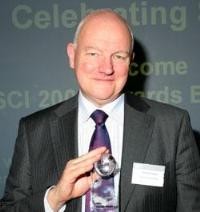
John Emsley

Personal Information

Born January 1, 1938 (88 years old)
United Kingdom
Also known as: Emsley, John.
25 books
0.0 (0)
52 readers

Description

Dr John Emsley is a UK popular science writer, broadcaster and academic specialising in chemistry. He researched and lectured at King's College London for 25 years, authoring or co-authoring about 100 papers, and then became Science Writer in Residence at Imperial College London in 1990. From 1997 to 2002 he was Science Writer in Residence at the Department of Chemistry at Cambridge University, England, during which time he started and wrote the newsletter Chem@Cam. Several of his books have been translated into German. - Wikipedia

Books

Newest First

Molecules of murder

0.0 (0)
2

NOTE: This ebook is poorly scanned, with pages missing, duplicated and out of order (eg it goes from pg 156 to pg 190; pg 190 is repeated in 2 very different locations) Molecules of Murder is about infamous murderers and famous victims; about people like Harold Shipman, Alexander Litvinenko, Adelaide Bartlett, and Georgi Markov. Few books on poisons analyse these crimes from the viewpoint of the poison itself, doing so throws a new light on how the murders or attempted murders were carried out and ultimately how the perpetrators were uncovered and brought to justice. Part I includes molecules which occur naturally and were originally used by doctors before becoming notorious as murder weapons. Part II deals with unnatural molecules, mainly man-made, and they too have been dangerously misused in famous crimes. The book ends with the most famous poisoning case in recent years, that of Alexander Litvinenko and his death from polonium chloride. The first half of each chapter starts by looking at the target molecule itself, its discovery, its history, its chemistry, its use in medicine, its toxicology, and its effects on the human body. The second half then investigates a famous murder case and reveals the modus operandi of the poisoner and how some were caught, some are still at large, and some literally got away with murder. Molecules of Murder will explain how forensic chemists have developed cunning ways to detect minute traces of dangerous substances, and explain why some of these poisons, which appear so life-threatening, are now being researched as possible life-savers. Award winning science writer John Emsley has assembled another group of true crime and chemistry stories to rival those of his highly acclaimed Elements of Murder.

The Elements of Murder

0.0 (0)
11

This book is about elements that kill. Mercury, arsenic, antimony, lead, and thallium can be lethal, as many a poisoner knew too well. Emsley explores the gruesome history of these elements and those who have succumbed to them in a fascinating narrative that weaves together stories of true crime, enduring historical mysteries, tragic accidents, and the science behind it all. The colourful cast includes ancient alchemists, kings, leaders, a pope, several great musicians, and a motley crew of murderers. Among the intriguing accounts is that of the 17th century poet Sir Thomas Overbury, who survived four attempts to poison him with mercury but died when given the poison in enema form - under whose direction remains uncertain. Here, too, is detailed the celebrated case of Florence Maybrick, convicted of poisoning her violent husband James with arsenic, but widely believed at the time to be innocent. The question of her guilt is still disputed. Threaded through the book alongside the history is the growing understanding of chemistry, and the effects of different chemical substances on the human body. Thousands suffered the ill effects of poisonous vapours from mercury, lead, and arsenic before the dangers were realized. Hatters went mad because of mercury poisoning, and hundreds of young girls working in factories manufacturing wallpaper in the 19th century were poisoned by the arsenic-based green pigments used for the leaves of the popular floral designs. Even in the middle of the 20th century, accidental mercury poisoning caused many deaths in Minamata Bay, while leaded petrol poisoned the whole planet, and arsenic still continues to poison millions is Asia. Through vividly told stories of innocent blunders, industrial accidents, poisoners of various hues - cold, cunning, desperate - and deaths that remain a mystery, Emsley here uncovers the dark side of the Periodic Table.

Vanity, Vitality, and Virility

0.0 (0)
6

The science behind alpha-hydroxy acids, chlorine bleach, and other chemicals that people use every day is explored in a fascinating study that examines, through amusing anecdotes and odd facts, if and how they work. What is the secret of shower cleaners? How does the dangerous explosive nitroglycerin ward off heart attacks? And what medicines, usually prescribed for other purposes, are said to produce the ultimate orgasm? In Vanity, Vitality, and Virility, award-winning science writer John Emsley offers a fascinating behind-the-scenes account of 30 chemicals that we use everyday to make ourselves more beautiful, to improve our diet and sexual pleasure, to kill germs, and to ward off depression and other mental illnesses. Emsley looks at common compounds such as alpha-hydroxy acids, vitamin C, chlorine bleach, and Prozac, telling us if they work, how they work, and how they were discovered. Indeed, the book is packed with useful information and easy-to-digest science, and Emsley relates it all with a light touch that delights in the odd fact or amusing anecdote. Thus we learn of the "vitamin C tights" sold in Japan to make your legs more beautiful (they don't work) and of the whimsical Hungarian scientist who first isolated vitamin C and wanted to name it "godnose", because he had no idea what the compound was. We discover that Cleopatra was right to bath in milk, which is filled with alpha-hydroxy acids. And we read about the unforgettable British researcher who demonstrated a powerful new drug for male erections at a Las Vegas convention, injecting himself with the compound and then "displaying the results" to a stunned lecture hall. As with the much-loved Nature's Building Blocks, in John Emsley's hands, chemistry comes alive. Anyone curious about the ingredients in the products we use, and everyone fascinated with science, will be enthralled by this book.

The shocking history of phosphorus

0.0 (0)
2

John Emsley's unusual study traces the history and development of the use of phosphorus, an autocombustive element that was discovered long before humans were responsible or capable of controlling its awesome power.

Molecules at an Exhibition

0.0 (0)
1

Emsley describes chemicals which affect every aspect of our daily lives, including anecdotes about their proper or improper uses.

The consumer's good chemical guide

0.0 (0)
1

The Guide explains in accessible, non-technical language the science behind sugar and artificial sweeteners; cholesterol, animal fats and fibre; painkillers, and the risks associated with taking drugs; plastics and PVC; dioxins and nitrates in the environment; and carbon dioxide and the greenhouse gases. Also included are chapters on two products which are entirely chemical, but commonly not thought of as such: perfume and alcohol. Here, the reader discovers that not only do fragrance chemicals give a great deal of innocent pleasure, their synthetic versions have been responsible for reducing the large-scale slaughter of some wild animals; and that alcohol can not only improve the quality of life, it may even prolong it.

A healthy, wealthy, sustainable world

0.0 (0)
1

This book explains the roles of chemistry in various areas of life ranging from the entirely personal to the worryingly global. These roles are currently not widely appreciated and certainly not well understood. The book is aimed at educated laypeople who want to know more about the world around them but have little chemical knowledge. The themes relate to the importance of chemistry in everyday life, the benefits they currently bring, and how their use can continue on a sustainable basis. Topics include: Health, conquering the diseases and stresses which still threaten us ; Food, the role of agrochemicals and food chemists ; Water, drinking water, the seas as a resource of raw materials ; Fuels, what are they and from what are they made? ; Plastics, what are they used for and can they be sustainable? ; Cities, what role has chemistry in modern life? ; Sport, chemistry has changed the game. The world stands at a crossroads. What route to the future should we take? The road to a sustainable city beckons, but what effect will this have on chemistry, which appears so dependent on fossil resources? Its products are part of everyday living, and without them we could regress to the world of earlier generations when lives were blighted by disease, famines, dirt, and pain. In fact the industries based on chemistry--the chemical, agrochemical, and pharmaceutical industries--could be sustainable and not only benefit those in the developed world but could be shared by everyone on this planet and for generations to come. It deals with the things we regard as essential to a developed lifestyle and which depend on chemistry, namely food, water, fuel, healing drugs and plastics, as well as other areas where its role is less obvious, such as city living and sport. This book shows how sustainability might be achieved.
