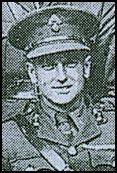
Guy Chapman
Personal Information
Description
Guy Patterson Chapman was a British military man, historian, and author.
Books
The Dreyfus trials
In December 1894 a French military tribunal found Alfred Dreyfus guilty on a charge of high treason. This verdict was to affect not only the Army but also successive Governments over the next tweleve years, and was to involve the Church, the judiciary and intellectuals alike in a controversy of such intensity that even today, nearly eighty years later, still arouses passionate debate. The Dreyfus affair is characterized by its sheer complexity. Guy Chapman's classic exposition of the long-drawn-out trials has been out of print for many years and this thorough revision incorporates the findings of recent scholarship. He skilfully reveals how the true fact were, from the very beginning, obscured by a mixture of carefully constructed lies and a series of genuine errors. Professor Chapman examines the case from every single angle; the issue of antisemitism amongst Dreyfus' accusers; the determination of the War Office that at all costs the honour and the good name of the army must be upheld; the effort of Zola's intervention and his J'accuse letter; these are all seen against the political background of the time and the manipulation of the case by both right and left in Parliament. While this book will be recommended as essential reading for all genial students of the period, the layman will find it a compellingly readable account of one of the most significant series of trials in modern european history. (Inside cover).
A passionate prodigality
When A Passionate Prodigality was first published in 1933 it was hailed as one of the finest English works to have come out of the Great War. Today, this memoir reads with a graphic immediacy, not merely in the descriptions of the filth and shock and carnage that characterised that struggle, but, particularly, in its evocation of men at war. Stylish, honest, and eloquent, A Passionate Prodigality is 'less a book than a living voice', demonstrating an important if little remembered truth: 'The poetry is not in the pity. To hell with your generalized pity. What the survivor remembers is not the fears that he knew, the pains, but the faces and a few words of the men who were with him at the front...'