
FICTION · LITERATURE
Eva Sallis
Also known as: Eva Sallis, Eva Hornung
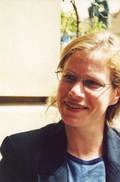
EVA HORNUNG was born in Bendigo and now lives in Adelaide. As Eva Sallis, she is an award-winning writer of literary fiction and criticism: her first novel Hiam won The Australian/Vogel Literary Award in 1997 and the Nita May Dobbie Award in 1999. Her novel The Marsh Birds won the Asher Literary Award 2005 and was shortlisted for numerous awards including the Age Book of the Year 2005, NSW Premier’s Literary Award and the Commonwealth Writers’ Prize.
Ten-year-old Liza was dreaming her favorite dream, the one about the day when she was six years old, and she and Daddy were as the beach, in New Jersey, at Spring Lake.
— from No Place Like Home, 1988
Most acclaimed

Sheherazade through the looking glass
"The Thousand and One Nights was secular literature, not approved by the cultured literary classes as literature at all. It existed as a popular entertainment and much of it expressed the desires, wishes and experiences of a middle to lower class urban and mercantile people. However, that is what it was, once. What it is now is infinitely more complex because it was reborn into an alien environment in 1704, an environment in which its signs were received in a radically different way from their accepted meanings in their culture of birth. Not only were most of its referents unknown, but its signs took on a reference unique to them, a reference to a general system of imaginative perception in which one of the essential components was mystery and a sense of being cut loose from meaning." "Works of literature change as people and cultures who read them change. This study explores the Nights with reference to this view of literature, for the Nights has a history distinguished by transformation."--Jacket.
No Place Like Home
1988
Sometimes a wrong turn is the only way home. . . . No Place Like Home tells the unforgettable story of a family bound together by tradition--and the emotional journey of an estranged daughter risking everything for a second chance at life and love.Twenty-one years ago Jewel Sabatino left her childhood behind and never looked back. After a magical taste of fame, she found herself alone with a son to raise and not much else. She survived with the help of Michael, her one true friend. But now Michael is too sick to care for himself, and Jewel has run out of options. She leaves New York for the hills of Colorado, unsure if the family she ran from will welcome her back.For Jewel, coming home is falling back into a world that smells of Italian restaurants and home-baked pies. It is the laughter of sisters preparing for a summer wedding, and the peaceful haven for a treasured soul mate's last days. It also means facing the unforgiving eyes of a father betrayed by his favorite child--and letting go of a son who is ready to become a man. But most of all, it is the love she discovers in her own wary heart when Michael's brother Malachi unexpectedly arrives on her doorstep.Told with breathtaking insight and deep emotion, No Place Like Home is a joyful feast for all the senses, a vibrant bounty of love, and a tender life lesson to be savored long after the last page is turned.From the Hardcover edition.
Painted words
Two separate stories, the first telling of Mari's starting school in a new land, and the second describing village life in her country before she and her family left in search of a better life.