Discover

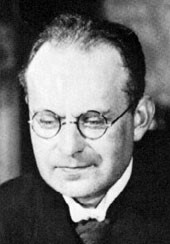
Aron Nimzovich

Personal Information

Born November 7, 1886
Died March 16, 1935 (48 years old)
Riga, Kingdom of Denmark
Also known as: Aron Nimzowitch, Aaron Nimzowitsch
8 books
4.8 (5)
83 readers

Description

Aron Nimzowitsch (Latvian: Ārons Ņimcovičs, Russian: Аро́н Иса́евич Нимцо́вич, Aron Isayevich Nimtsovich; born Aron Niemzowitsch; 7 November 1886 – 16 March 1935) was a Russian-born, Danish leading chess master and a very influential chess writer. He was the foremost figure amongst the hypermoderns. Source: Wikipedia

Books

Newest First

My system

5.0 (2)
10

Nimzowitschs ideas about how to play better chess have had a profound influence on modern chess thinking. It is commonly agreed that almost every chess master in the world has studied Nimzowitschs work.

Mein System

5.0 (1)
29

Nimzowitschs ideas about how to play better chess have had a profound influence on modern chess thinking. It is commonly agreed that almost every chess master in the world has studied Nimzowitschs work.

My System (Chess Classics)

4.5 (2)
37

Chess: Elements of Strategy

The Blockade

0.0 (0)
0

The Civil War at sea was essentially a battle over commerce vital to the Confederate States.

My system & Chess praxis

0.0 (0)
6

As a chess player, Aron Nimzowitsch (1886-1935) belonged to the very best. In his peak years the Latvian-born maestro was ranked third in the world behind Capablanca and Alekhine. His greatest successes were first place in Dresden in 1926 (8ư/9, one and a half points ahead of Alekhine) and Carlsbad 1929 (15/21, ahead of Capablanca, Spielmann and Rubinstein). However, Nimzowitsch will first and foremost be remembered as the founder of the Hypermodern movement and the author of the undisputed classics My System and Chess Praxis. In his first book, he expounded his theories of prophylaxis, blockades and much more, while providing ground-breaking insights in pawn-structures. In the sequel Nimzowitsch demonstrated how he had successfully tested his theories in his games. Nimzowitsch's masterpieces are unique landmarks in the history of chess. Without reading Nimzowitsch your chess education cannot be complete. Perhaps not all of his convictions have stood the test of time, but even today, any chess student will deepen his understanding and broaden his play while enjoying the author's insights and witticisms. Part of the charm of Nimzowitsch's prose was his idiosyncratic use of the German language, which has carefully been preserved in Robert Sherwood's new translation.
