Discover

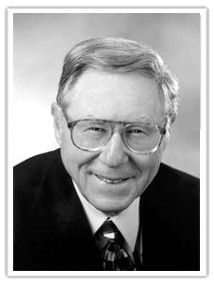
William Glasser

Personal Information

Born January 1, 1925 (101 years old)
Cleveland, United States
33 books
4.0 (5)
202 readers

Description

There is no description yet, we will add it soon.

Books

Newest First

The control theory manager

0.0 (0)
2

Combines control theory with the wisdom of the Deming management philosophy to show managers how to use control theory in order to practice lead-management.

Reality therapy, a new approach to psychiatry

0.0 (0)
1

Explains the philosophy and procedures of the newer therapeutic method that emphasizes the individual's acceptance of reality and of responsibility for his or her behavior.

Reality Therapy in Action

0.0 (0)
6

xix, 243 p. ; 22 cm

The quality school

0.0 (0)
0

Suggests that traditional coercive management in schools be replaced by a system that brings together students and staff.

Ocho lecciones para un matrimonio feliz

0.0 (0)
0

"Presenta ocho casos reales de parejas con problemas y proporciona soluciones sencillas y prácticas para superar los obstáculos"--Page 4 of cover.

Choice Theory

3.5 (2)
54

Dr. William Glasser offers a new psychology that, if practiced, could reverse our widespread inability to get along with one another, an inability that is the source of almost all unhappiness. For progress in human relationships, he explains that we must give up the punishing, relationship–destroying external control psychology. For example, if you are in an unhappy relationship right now, he proposes that one or both of you could be using external control psychology on the other. He goes further. And suggests that misery is always related to a current unsatisfying relationship. Contrary to what you may believe, your troubles are always now, never in the past. No one can change what happened yesterday.

Enseigner à l'école qualité

0.0 (0)
0

Réédition de "L'école qualité : enseigner sans contraindre". L'auteur y fait des suggestions aux enseignants pour l'application des concepts de gestion de "l'école qualité" dans leurs classes. Ces concepts proviennent de l'approche de W. Edwards Deming ainsi que de la théorie du contrôle de Glasser. [SDM].
