Discover
Jan 1, 1906 — Jan 1, 1964· 58 yrs

UNITED KINGDOM OF GREAT BRITAIN AND IRELAND AUTHOR · FICTION · CHILDREN

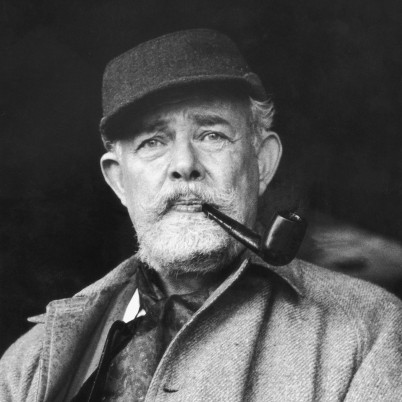
T. H. White

Also known as: Terence Hanbury White, T. H. White

28
BOOKS
3.9
AVG RATING (57)
4
READERS

Terence Hanbury "Tim" White (29 May 1906 – 17 January 1964) was an English writer. He is best known for his Arthurian novels, which were published together in 1958 as The Once and Future King. One of his best known is the first of the series, The Sword in the Stone, which was published as a stand-alone book in 1938.

Mumbai, United Kingdom of Great Britain and Ireland
Wikipedia

ON Mondays, Wednesdays and Fridays it was Court Hand and Summulae Logicales, while the rest of the week it was the Organon, Repetition and Astrology.

— from The Once and Future King, 1958

Most acclaimed

#1

The Once and Future King

1958

4.1 (33)

T. H. White's modern classic about King Arthur. This particular edition may have been published in Russia, but it is in fact written in English. I just finished reading this edition on the Open Library. I wonder why it is described as being written in Russian?

#2

The sword in the stone

4.2 (9)

When Merlyn the magician comes to tutor Sir Ector's sons Kay and the Wart, schoolwork suddenly becomes much more fun. After all, who wouldn't enjoy being turned into a fish, or a badger, or a snake? But Merlyn has very particular plans for the Wart. This is the children's story of King Arthur's childhood which was the basis for the still popular Disney cartoon of the same title.

#3

Prentice Hall Literature -- Platinum

0.0 (0)

A novel is an extended work of narrative fiction usually written in prose and published as a book. The word derives from the Italian: novella for 'new', 'news', or 'short story (of something new)', itself from the Latin: novella, a singular noun use of the neuter plural of novellus, diminutive of novus, meaning 'new'. According to Margaret Doody, the novel has "a continuous and comprehensive history of about two thousand years", with its origins in the Ancient Greek and Roman novel, Medieval chivalric romance, and the tradition of the Italian Renaissance novella. The ancient romance form was revived by Romanticism, in the historical romances of Walter Scott and the Gothic novel. Some novelists, including Nathaniel Hawthorne, Herman Melville, Ann Radcliffe, and John Cowper Powys, preferred the term romance.

Books

Newest First