Discover
Mar 7, 2069 — Mar 7, 122· -1947 yrs

ANCIENT ROME AUTHOR · EMPERORS · BIOGRAPHY

Suetonius

Also known as: Suetonius., Suetonius C. Tranquillus

22
BOOKS
4.0
AVG RATING (2)
0
READERS

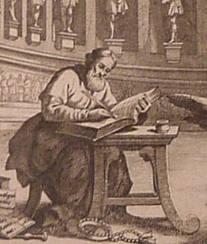
Gaius Suetonius Tranquillus (Latin: [ˈɡaːiʊs sweːˈtoːniʊs traŋˈkᶣɪlːʊs]), commonly referred to as Suetonius ( swih-TOH-nee-əs; c. AD 69 – after AD 122), was a Roman historian who wrote during the early Imperial era of the Roman Empire. His most important surviving work is De vita Caesarum, commonly known in English as The Twelve Caesars, a set of biographies of 12 successive Roman rulers from Julius Caesar to Domitian. Other works by Suetonius concerned the daily life of Rome, politics, oratory, and the lives of famous writers, including poets, historians, and grammarians. A few of these books have partially survived, but many have been lost.

http://www.wikidata.org/.well-known/genid/424181368e011ac6ea49f0fdb8359fdc, Ancient Rome
Wikipedia

The character of the first Caesar has perhaps never been worse appreciated than by him who in one sense described it best-that is, with most force and eloquence wherever he really did comprehend it.

— from The Cæsars

Most acclaimed

#2

The lives of the twelve Cæsars

0.0 (0)
#1

Vespasian

0.0 (0)
#3

[Opera]

0.0 (0)

The book introduces opera and analyzes eight masterpieces: "Don Giovanni" by Mozart, "Dido and Aeneas" by Purcell, "The Barber of Seville" by Rossini, "Rigoletto" by Verdi, "The mastersingers of Nuremberg" by Wagner, "Boris Godunov" by Mussorgsky, "Carmen" by Bizet, and "Tosca" by Puccini. The cd contains key songs from each opera that are broken into "timelines" in the text.

Books

Newest First