Discover
Apr 4, 1902 — Dec 14, 1935· 33 yrs

UNITED STATES AUTHOR · SCIENCE FICTION · FICTION

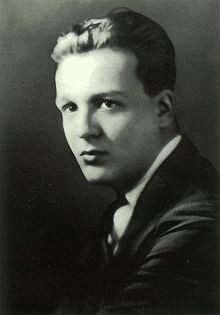
Stanley G. Weinbaum

Also known as: Stanley G. Weinbaum, John Jessel

14
BOOKS
3.7
AVG RATING (3)
0
READERS

Stanley Grauman Weinbaum was an American science fiction writer. His career in science fiction was short but influential. - Wikipedia

Louisville, United States
Wikipedia

Despite being born into one of the oldest families in Oregon, Grant Archer grew up in an environment that was far from affluent.

— from Jupiter

Most acclaimed

#2

The Mammoth Book of Classic Science Fiction

0.0 (0)

Contains: The Shadow Out of Time - novella by H. P. Lovecraft A Matter of Form - novella by H. L. Gold [as by Horace L. Gold] Jane Brown's Body - novella by Cornell Woolrich Who Goes There? - novella by John W. Campbell, Jr. Sidewise in Time - novella by Murray Leinster Alas, All Thinking! - novelette by Harry Bates Seeker of Tomorrow - novella by Leslie J. Johnson and Eric Frank Russell (variant of Seeker of To-morrow) [as by L. T. Johnson and Eric Frank Russell] Dawn of Flame - novella by Stanley G. Weinbaum Divide and Rule - novella by L. Sprague de Camp Wolves of Darkness - novella by Jack Williamson

#1

Jupiter

0.0 (0)

Die neueste Anthologie deutschsprachiger SF-Erzähler - herausgegeben von SF-Kenner und Rezensent Thomas Le Blanc • Karl-Ulrich Burgdorf über einen Reporter und eine seltsame Leiche • Reinmar Cunis über die Halbwüchsigen eines primitiven Planeten • Herbert W. Franke über eine Landebahn aus Pflanzen • Wolfgang Hohlbein über ein Raumschiff mit römischen Legionären • Bernd Kreimeier über eine Wasserfeste der Zwerge • Werner Zillig über ein Fotomodell aus der Tiefe des Raumes Dies sind einige der Stories aus diesem Band mit dem Schwerpunktthema >ALIENS.

#3

Short Fiction

0.0 (0)

Ernest Hemingway is perhaps the most influential American writer of the twentieth century. Though known mostly for his longer works, he began his writing career with the publication of short stories which helped develop his often-imitated concise, simple, and straightforward style, which stood in stark contrast to the more elaborate prose of many of his contemporaries. In 1947, during a University of Mississippi creative writing class, William Faulkner remarked that Hemingway “has never been known to use a word that might cause the reader to check with a dictionary to see if it is properly used.” Hemingway famously responded: “Poor Faulkner. Does he really think big emotions come from big words? He thinks I don’t know the ten-dollar words. I know them all right. But there are older and simpler and better words, and those are the ones I use.” Besides his writing style, Hemingway’s most well-known contribution to the literary landscape was the iceberg theory of writing, developed while composing the short story “Out of Season.” Hemingway later said of the story: “I had omitted the real end of it which was that the old man hanged himself. This was omitted on my new theory that you could omit anything if you knew that you omitted and the omitted part would strengthen the story and make people feel something more than they understood.” This collection comprises all of the public domain stories published in Hemingway’s short story collections, some miscellaneous stories published in various magazines, and his novellas. With the exception of stories within collections with a thematic link, such as In Our Time, they are arranged in publication order.
Books

Newest First
