Discover
Jan 1, 1945 — —· 81 yrs

UNITED STATES AUTHOR · SCIENCE FICTION · FICTION

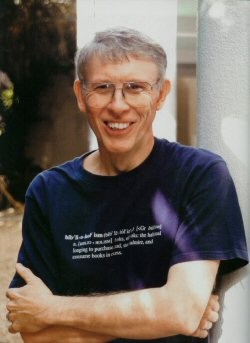
Michael Bishop

43
BOOKS
4.1
AVG RATING (21)
0
READERS
Lincoln, United States
Wikipedia

IN MERRY ENGLAND in the time of old, when good King Henry the Second ruled the land, there lived within the green glades of Sherwood Forest, near Nottingham Town, a famous outlaw whose name was Robin Hood.

— from Robin Hood, 1973

Most acclaimed

#2

Seven Deadly Sins

0.0 (0)

When they were accused of trying to overthrow the monarchy, the feared warriors the Seven Deadly Sins were sent into exile. Princess Elizabeth discovers the truth - the Sins were framed by the king's guard, the Holy Knights - too late to prevent them from assassinating her father and seizing the throne! Now the princess is on the run, seeking the Sins to help her reclaim the kingdom. But the first Sin she meets, Meliodas, is a little innkeeper with a talking pig. He doesn't even have a real sword! Have the legends of the Sins' strength been exaggerateda? Series Overview: Welcome to the land of Britannia, a picturesque country ruled by the benevolent King Lyonnesse - or at least it was, until the king's guard assassinated him and started a full-blown Holy War! Now the king's only daughter Elizabeth must seek the aid of the dreaded warriors the Seven Deadly Sins. Wrongly framed and sent into exile, they're now the princess's only hope to free the kingdom from the grip of the villainous Holy Knights!

#1

Detailing cars & trucks

1991

0.0 (0)
#3

Shadows

0.0 (0)

Cast shadows have been exploited in art to enhance the impression of the surrounding light as well as that of the solidity of the casting objects. They can contribute to the mood of the scene, and can reveal the presence of features outside the space represented, but as Professor Gombrich points out, they appear only sporadicaly and have been more frequently ignored or suppressed in Western art. Gombrich touches on the ambiguous nature of shadows in myth, legend, and philosophy, and briefly analyses the factors governing their shape: the location and form of the light source, the shape of the illuminated object and that of the surface on which the shadow falls, and the position of the viewer. Early Renaissance painters such as Masaccio and Campin, intent on a faithful rendering of visual reality, did incorporate shadows in their art, but artists of Leonardo's time largely avoided painting them, and it was not until early in the seventeenth century that painters - particualrly Caravaggio and Rembrandt - were again interested in the effects of shadows. In subsequent centuries artists of the Romantic, Impressionist and Surrealist movements exploited the device of the cast shadow to enhance the realism or drama of their images.
Books

Newest First
