Discover
Apr 22, 1904 — Feb 6, 1991· 86 yrs

SPAIN AUTHOR · PHILOSOPHY · SPANISH AUTHORS

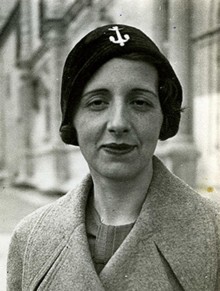
María Zambrano

24
BOOKS
4.0
AVG RATING (1)
0
READERS

María Zambrano Alarcón (Vélez-Málaga, Málaga, 22 de abril de 1904-Madrid, 6 de febrero de 1991)​ fue una intelectual, filósofa y ensayista española.

Vélez-Málaga, Spain
Wikipedia

Withdrawal into self-sufficiency (1.1 singuli) under philosophical role-models (1.1 optimos uiros) forces 'a radical rupture with regard to the state of unconsciousness in which man normally lives' in collective association (Hadot (1995) 254) and opens the way to 'impartiality, objectivity, and critical judgment' (247; 1.1 tunc potest...detorqueat etc.).

— from Seneca, 1974

Most acclaimed

#2

Seneca

1974

4.0 (1)

"The great stoic philosopher, playwright, and Roman statesman of the first century, Lucius Annaeus Seneca, exercised enormous influence for nearly fifteen years as tutor and political advisor to the Emperor Nero until forced to commit suicide by his former pupil. In the hands of Annales School historian Paul Veyne, the dramatic story of his life - one of power, politics, and intrigue - becomes a mirror of the time in which he lived.". "Seneca's philosophical writings remain our core source for Stoic thought, and their influence, always immense, continues to be felt. Veyne's authoritative exposition of Stoicism, and the interconnections between Seneca's life and thought, make this book ideal reading for anyone interested in Roman history and philosophy. This compact and compelling book is an introduction to the life and philosophy of one of the ancient world's greatest thinkers by one of the great historians of our own time."--BOOK JACKET.

#1

Los intelectuales en el drama de España y escritos de la guerra civil

0.0 (0)

Esta edición de Los intelectuales en el drama de España recoge la versión completa del segundo libro de María Zambrano. Al texto principal le acompaña una serie de cartas y artículos escritos durante los años de la guerra civil española, así como dos artículos retrospectivos sobre aquellos años de contienda. En el transcurso de estos escritos vemos el paso de una apasionada razón, directamente implicada en los avatares de la guerra civil, a otra razón que, sin renunciar a su lealtad a la República, toma una misericordiosa distancia, desde la que contempla la necesaria reforma vital del entendimiento y las mismas esperanzas que surgen de aquel trágico fracaso español. Es esta mediadora razón la que nos hace vislumbrar la fenomenología de lo que será la máxima originalidad del pensamiento de Zambrano: la Razón poética, cuyas raíces de crítica poética y cultural quedan plasmadas en esta obra.

#3

Epistolario, 1960-1989

0.0 (0)

Books

Newest First