Discover
Jan 1, 1940 — Jan 1, 2017· 77 yrs

HISTORY · SOCIAL LIFE AND CUSTOMS

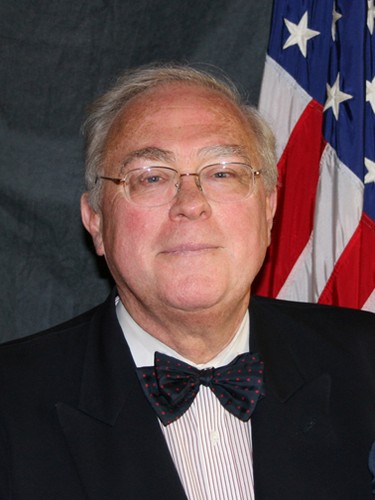
Kevin Starr

17
BOOKS
4.0
AVG RATING (4)
0
READERS

American historian who specialized in the history of California. He was also the state librarian of California.

IN a three-part series published in Westways in the fall of 1936, Los Angeles journalist Farnsworth Crowder assessed the California temperament as a matter of sunshine, physicality, and the pleasure principle.

— from The Dream Endures, 1996

Most acclaimed

#1

California

1914

0.0 (0)

Henry Vizetelly (1820-1894), a London engraver and author, was a pioneer in the publication of inexpensive illustrated books and magazines. Edwin Bryant (1805-1869) was a Kentucky journalist before coming to California in 1846. He served under Frémont in the Mexican War and was then made alcalde of San Francisco. California. Four months among the gold-finders (1849) by "J. Tyrwhitt Brooks, M.D." is a fictional account of the Gold Rush that purports to have been sent to the author's brother from Monterey in October, 1848. In truth, Henry Vizetelly wrote the book without ever leaving London, supplementing easily available official accounts of the Gold Rush with his own imagination. The secret of his authorship and the book's fictious nature did not become public knowledge for some forty years after its original publication. "Brooks's" account begins with his arrival in San Francisco, continuing with a trip to the goldfields near Sutter's Fort and a try at prospecting at Weber's Creek and other camps. What I saw in California, the second portion of the volume, originally published in 1848, contains Edwin Bryant's more authentic account of life in pre-Gold Rush California, 1846-1847, including the U.S. Army occupation of the territory. Other documents in the appendix are letters concerning the Gold Rush that had appeared in the public press.

#2

Golden Dreams California In An Age Of Abundance 19501963

0.0 (0)
#3

Golden Dreams

4.0 (1)

Starr brilliantly illuminates the dominant economic, social, and cultural forces in California in these pivotal years. In a powerful blend of telling events, colorful personalities, and insightful analyses, Starr examines such issues as the overnight creation of the postwar California suburb, the rise of Los Angeles as Super City, the reluctant emergence of San Diego as one of the largest cities in the nation, and the decline of political centrism. He explores the Silent Generation and the emergent Boomer youth cult, the Beats and the Hollywood "Rat Pack," the pervasive influence of Zen Buddhism and other Asian traditions in art and design, the rise of the University of California and the emergence of California itself as a utopia of higher education, the cooling of West Coast jazz, freeway and water projects of heroic magnitude, outdoor life and the beginnings of the environmental movement. More broadly, he shows how California not only became the most populous state in the Union, but in fact evolved into a mega-state en route to becoming the global commonwealth it is today. -- Publisher description.
Books

Newest First
