Discover
Jan 1, 1920 — Jan 1, 2010· 90 yrs

UNITED KINGDOM AUTHOR · FICTION · HORSE RACING

Dick Francis

Also known as: D Francis

61
BOOKS
4.1
AVG RATING (87)
11
READERS

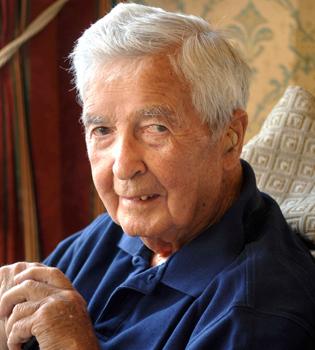
Richard Stanley Francis (31 October 1920 – 14 February 2010) was a British steeplechase jockey and crime writer whose novels centre on horse racing in England. After wartime service in the RAF, Francis became a full-time jump-jockey, winning over 350 races and becoming champion jockey of the British National Hunt. He came to further prominence in 1956 as jockey to Queen Elizabeth The Queen Mother, riding her horse Devon Loch which fell when close to winning the Grand National. Francis retired from horseracing and became a journalist and novelist. Many of his novels deal with crime in the horse-racing world, with some of the criminals being outwardly respectable figures.

Pembrokeshire, United Kingdom
Wikipedia

I could think of three good reasons for not going to Moscow, one of which was twenty-six, blond, and upstairs unpacking her suitcase.

— from Trial run

Most acclaimed

#2

Bolt

4.0 (1)

From Publisher's Weekly: Champion jockey Kit Fielding again proves his mettle when Henri Nanterre, the ruthless business partner of his fiancee's uncle, tries to convert their road construction company into an armaments enterprise. Nanterre threatens the life of Princess Casilia, his partner's wife, who also owns many of Kit's mounts. Nanterre is foiled, but then some of the princess's horses are found dead, killed, ironically, by captive-bullet bolt guns designed for "humane" deaths. Next come several near-lethal attacks against humans, including Kit's Danielle, and our Kit must devise a plan to thwart Nanterre for good. Soon Danielle has second thoughts about sharing the dangers of a steeplechaser's life. Maynard Allardeck, racing steward and hereditary enemy of the Fielding family, reappears and makes Kit's life even more difficult.
#1

Longshot

5.0 (1)

One of the best Dick Francis books!

#3

Proof

4.0 (2)

Featuring works by Francisco Goya, Sergei Eisenstein and Robert Longo, 'Proof' offers insight into the singularity of vision through which artists can reflect the social, cultural and political complexities of their times. Spanning eras and continents, each of these artists witnessed the turbulent transition from one century to another, experiencing the seismic impacts of revolution, civil rights movements and war. While Goya served church and king, Eisenstein the state, and Longo emerged during the rise of the contemporary art market--the dominant benefactors of each period--they all rose to prominence through developing nuanced practices that challenged expectations.

Books

Newest First
