Discover
May 15, 1862 — Oct 21, 1931· 69 yrs

CISLEITHANIA AUTHOR · TRANSLATIONS INTO ENGLISH · FICTION

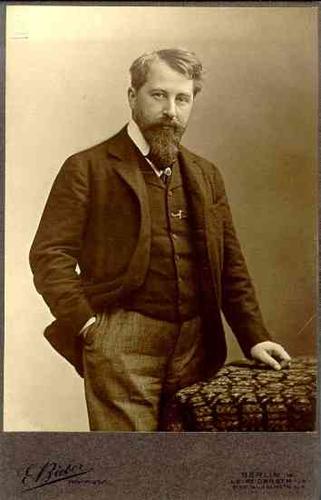
Arthur Schnitzler

Also known as: Arthur, Schnitzler, arthur schnitzler

28
BOOKS
3.7
AVG RATING (6)
0
READERS

Arthur Schnitzler (German: [ˈʃnɪtslɐ]; 15 May 1862 – 21 October 1931) was an Austrian author and dramatist. He is considered one of the most significant representatives of Viennese Modernism. Schnitzler's works, which include psychological dramas and narratives, dissected turn-of-the-century Viennese bourgeois life, making him a sharp and stylistically conscious chronicler of Viennese society around 1900. Schnitzler's Jewish upbringing and the sexual content of his works made them controversial or banned in his time and beyond.

Vienna, Cisleithania
Wikipedia

THE course of this narrative describes the return of a disembodied spirit to earth, and leads the reader on new and strange ground.

— from Little novels

Most acclaimed

#2

Professor Bernhardi

0.0 (0)

Vienna, 1900. A Jewish doctor prevents a Catholic priest from absolving a dying patient. A witch hunt ensues.

#1

Bachelors

0.0 (0)

Four gloomy tales of male vanity and self-deception by Viennese author Schnitzler. "The Murderer," the first and shortest tale, concerns a comfortable Viennese lawyer who lives by himself and who truly desires a wife and companion, but can't bear the thought of being emotionally restricted. He abandons her to run off with a tart whose passion drives him, in turn, to despair and worse, before returning to Vienna a year later for a shocking encounter with his past love.

#3

Briefe

1994

0.0 (0)

For two decades, beginning in the early 1870s, Robert Keller, music editor for N. Simrock Verlag in Berlin, worked with diligence and devotion to usher into print most of Johannes Brahms's major compositions, including all four of his symphonies, the Violin Concerto, the Double Concerto, the Second Piano Concerto, and numerous chamber, choral, and vocal works. This volume collects for the first time the complete extant correspondence between Brahms and Keller, as preserved in the collections of the Library of Congress and the Gesellschaft der Musikfreunde in Vienna. To read their correspondence is to witness a relationship of mutual respect and increasing friendship and to gain an appreciation for the meticulous labor that went into the publication of Brahms's masterpieces. This edition includes transcriptions of the letters in the original German and English-language translations.

Books

Newest First